Chester County, PA, is renowned for its lush landscapes and vibrant gardens. However, homeowners often face challenges with deer, which can wreak havoc on carefully cultivated gardens. As the local deer population grows, effective management is essential for maintaining the beauty and health of outdoor spaces. This guide will explore practical deer control techniques tailored specifically for Chester County homeowners. From understanding the value of native plant landscaping to employing natural repellents, we aim to provide strategies that integrate seamlessly into your gardening practices.
Deer Control Techniques for Chester County Homeowners
One effective approach for managing deer is integrated pest management (IPM), which involves a combination of techniques tailored to the specific needs of your garden. This method focuses on understanding deer behavior and habitat preferences. In Chester County, utilizing native plant landscaping can significantly reduce deer damage, as these plants are often less appealing to deer compared to exotic species. A landscape architect can assist in designing a garden layout that minimizes deer attraction while enhancing the aesthetic appeal of your property. Additionally, for homeowners seeking effective solutions, Deer Control Chester County Pa offers tailored strategies for managing local deer populations effectively.
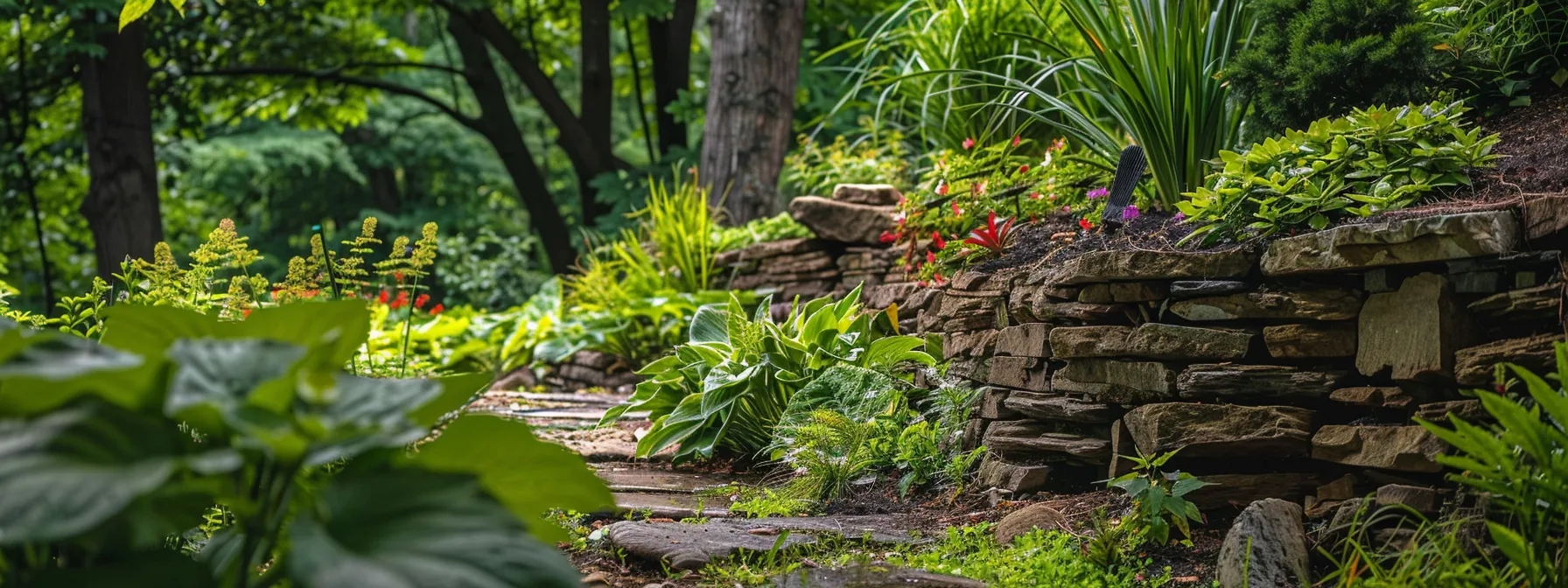
Additionally, soil amendment is crucial in maintaining the health of your plants, making them more resistant to stress caused by deer browsing. By conducting soil pH testing, homeowners can ensure their gardens are optimized for growth, thereby reducing the likelihood of deer causing irreparable damage. Incorporating hardscaping elements such as stone walls or fences can also create physical barriers to deter deer access to vulnerable areas.
For homeowners looking for professional assistance, the service Deer Control Chester County Pa offers tailored solutions for managing local deer populations effectively.
Effective Trapping Methods for Deer Management
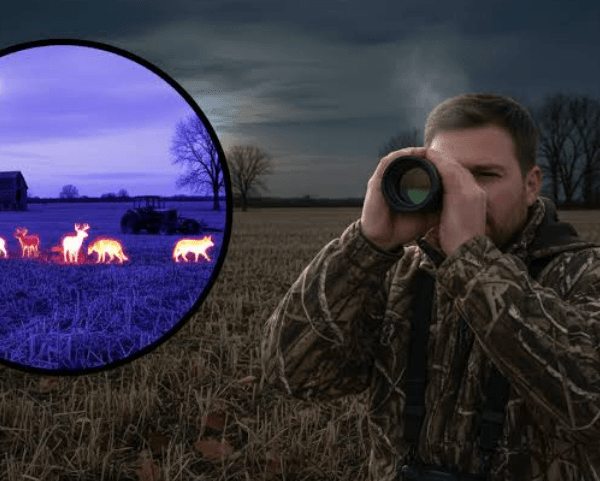
Trapping is a practical method for controlling deer populations in areas with significant deer activity. However, it’s essential to adhere to local regulations regarding trapping to ensure compliance and humane treatment of wildlife. Understanding the plant hardiness zone of Chester County can help in selecting the most appropriate trapping techniques that align with local environmental conditions.
Permaculture design principles can be integrated into trapping strategies by creating self-sustaining ecosystems that naturally regulate deer populations. This holistic approach not only controls deer but also promotes biodiversity and garden resilience. Additionally, consulting with a landscape architect who specializes in permaculture can provide valuable insights into effective trapping and garden design techniques.
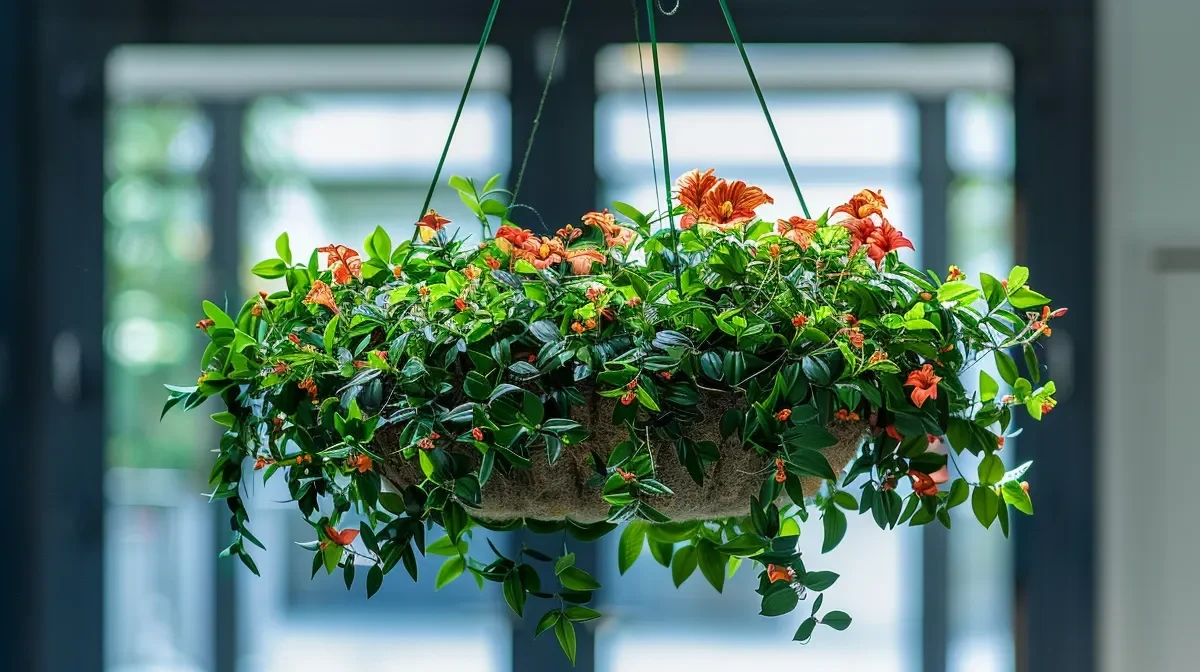
Implementing a hydroponic system can also serve as a deer-resistant gardening method. By elevating plants off the ground, hydroponics can protect delicate species from deer while optimizing water usage and plant growth.
Natural Repellents to Deter Deer in Your Garden
Natural repellents are a safer alternative to chemical solutions for keeping deer at bay. Utilizing green waste composting can create nutrient-rich soil that supports the growth of deer-resistant plants. Certain cultivars are less appealing to deer, and by selecting the right species, homeowners can reduce the attractiveness of their gardens to local wildlife.
Drip irrigation systems can also contribute to deer deterrence by ensuring that plants receive water efficiently without creating conditions that attract deer. Proper turf management is key in creating an environment that is less conducive to deer grazing, allowing homeowners to protect their investment in garden landscapes.
Finally, horticultural therapy practices can be integrated into gardening routines to promote plant health and resilience, further reducing the impact of deer on your garden. For more information on effective deer repellent strategies, recent research from Penn State Extension provides comprehensive insights.
Community Strategies for Sustainable Deer Population Control
Community involvement is critical in managing deer populations sustainably. Collaborative efforts can include organizing local workshops on soil amendment and landscape design, which educate residents on effective deer control methods. These initiatives can foster a collective approach to maintaining garden health and biodiversity.
Implementing community-wide strategies such as deer-resistant plant swaps or shared xeriscaping projects can reduce reliance on water-intensive plants that attract deer. Such projects not only benefit individual gardens but also enhance the overall ecological balance of Chester County.
Furthermore, engaging in local advocacy for deer control policies can ensure long-term sustainability. By participating in community forums and supporting initiatives, residents can contribute to the development of strategies that align with Chester County’s unique environmental needs. For more on community-based deer management, guidance from the USDA offers practical advice on collaborative wildlife management.
Conclusion

Managing deer populations in Chester County requires a multifaceted approach that combines individual, community, and professional strategies. By utilizing techniques such as integrated pest management, natural repellents, and community engagement, homeowners can protect their gardens and contribute to sustainable wildlife management. Embracing these practices not only preserves the beauty of local landscapes but also supports ecological health for future generations.